Orege
Water treatment facility

Technologie

Découvrez l'innovation unique du SLG® et comment Orege la met en œuvre pour optimiser vos procédés

Clémentine Justier - Process and Application Director

SLG® : L'ingénierie au service de l'énergie circulaire

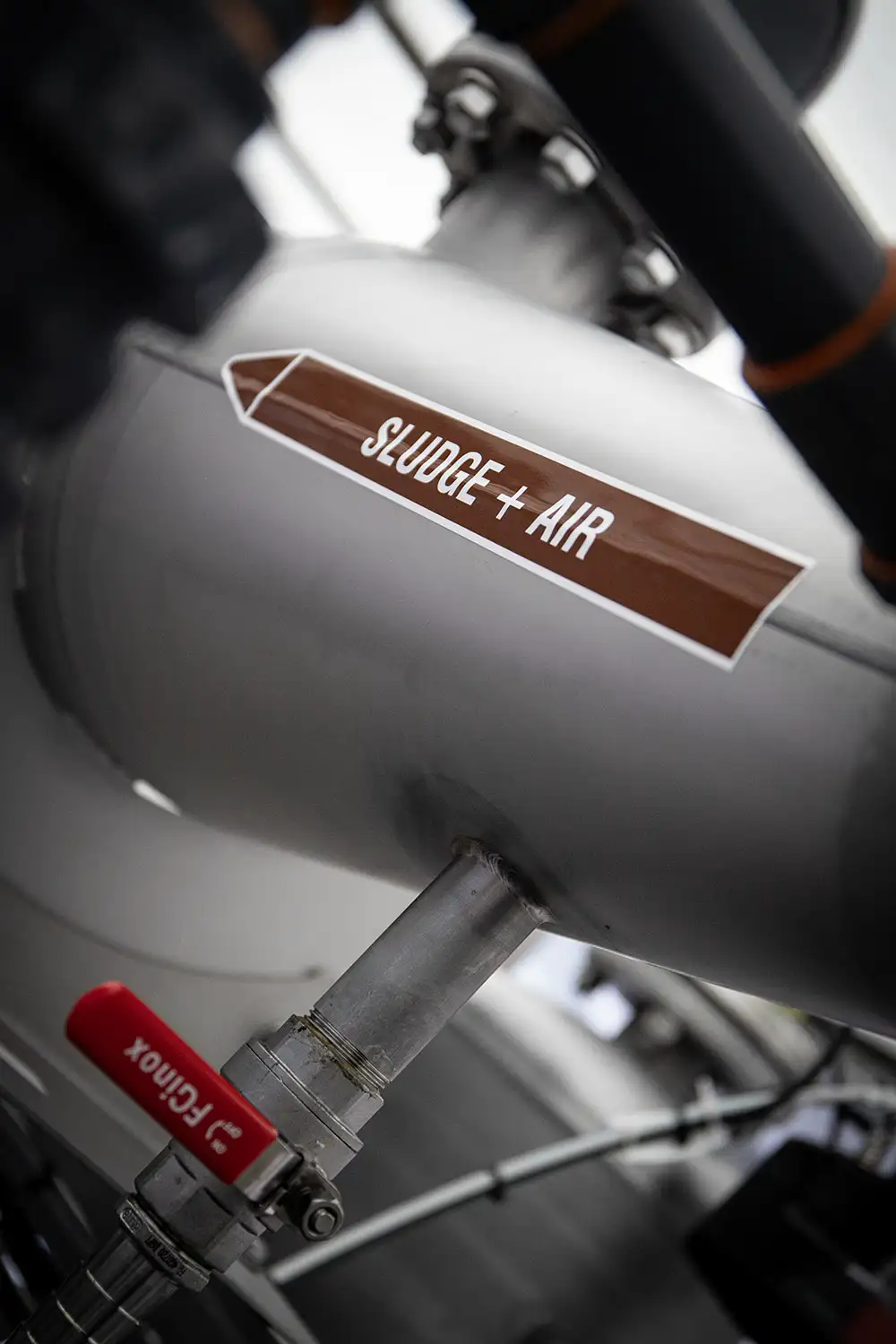
SLG machine detail
Le SLG® (Solid–Liquid–Gas) est la technologie brevetée de conditionnement des boues développée par Orege, conçue pour améliorer la séparation solide–liquide dans les procédés de traitement des eaux usées.

Contrairement aux méthodes de conditionnement conventionnelles, le SLG® modifie la structure des boues au niveau du floc, libérant l'eau piégée dans la matrice biologique et améliorant l'interaction entre les solides, les coagulants et les floculants. Cette étape de conditionnement renforce l'efficacité de la séparation lors des phases de prétraitement, d'épaississement et de déshydratation des boues.

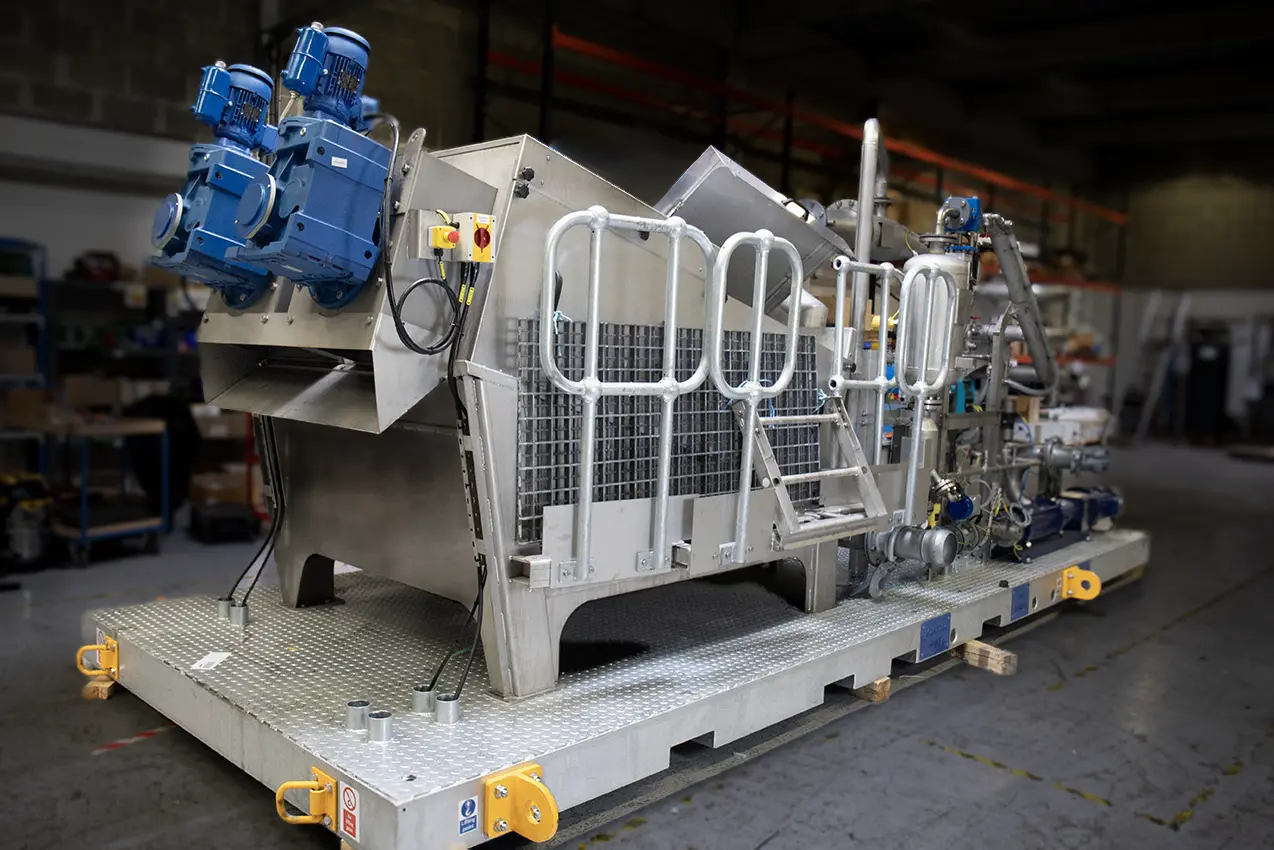
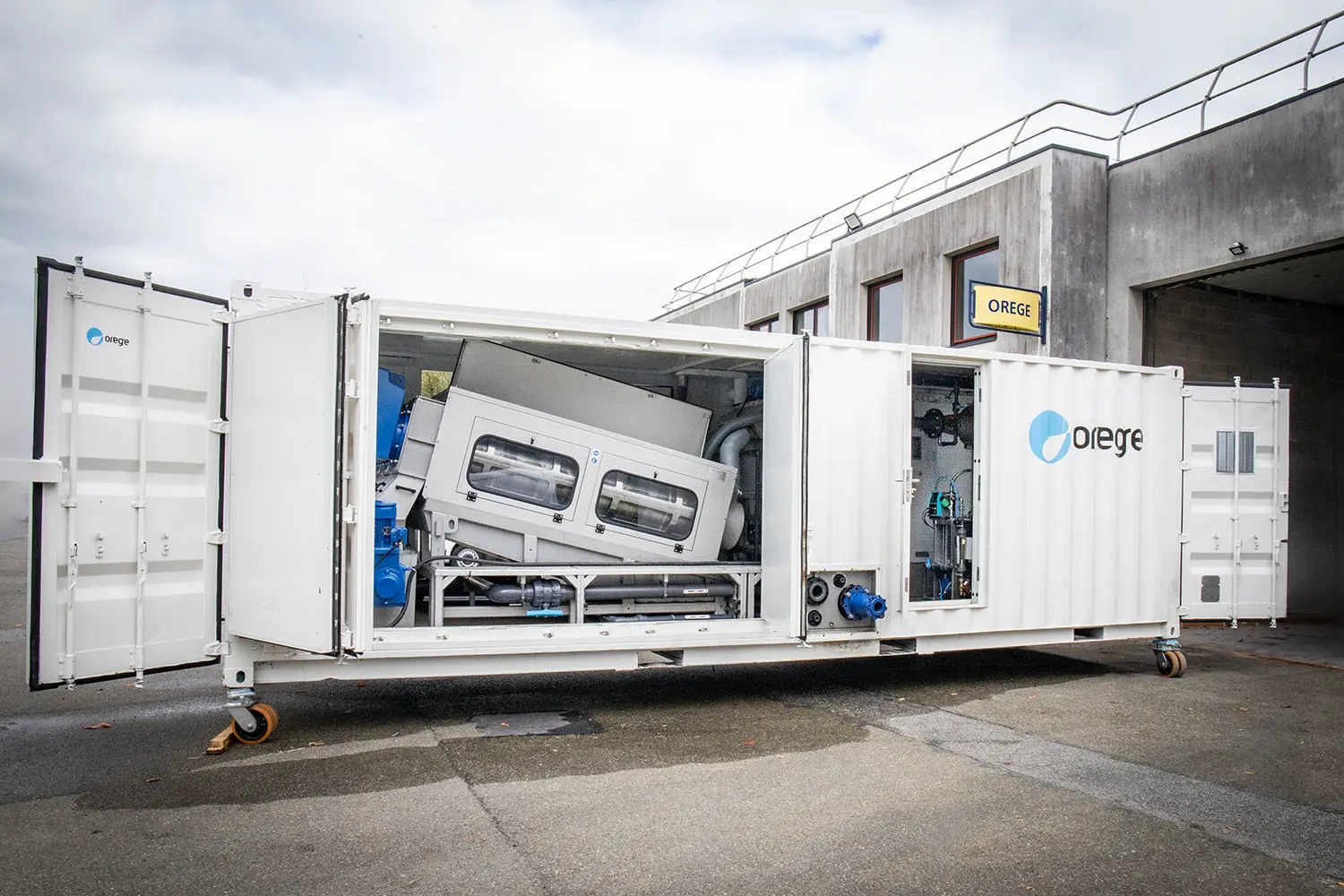
Le conditionnement SLG® est intégré directement dans les systèmes d'épaississement, de déshydratation et de prétraitement d'Orege. En combinant le SLG® avec des équipements de séparation éprouvés tels que les filtres-presses à bande, les presses à vis et les systèmes d'épaississement SLG-F® d'Orege, nous proposons des solutions complètes conçues pour offrir des performances de séparation rapides et fiables.

Fondés sur des années d'expérience opérationnelle, ces systèmes sont conçus pour fonctionner de manière constante dès le démarrage, sans longue phase d'optimisation. Le conditionnement SLG® améliore l'efficacité des équipements de séparation en aval tout en favorisant une consommation optimisée des réactifs chimiques.

Résultat : une meilleure capture des matières en suspension, un filtrat plus clair, une siccité plus élevée du gâteau, une réduction des volumes de boues et une diminution des coûts d'exploitation pour les installations industrielles et municipales de traitement des eaux usées.

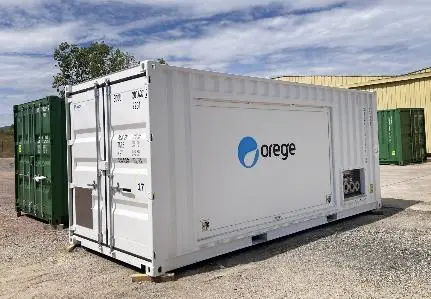
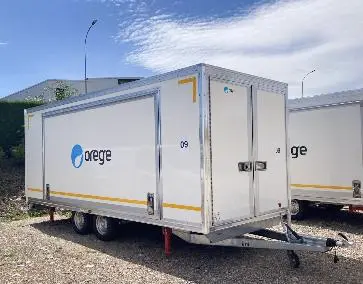
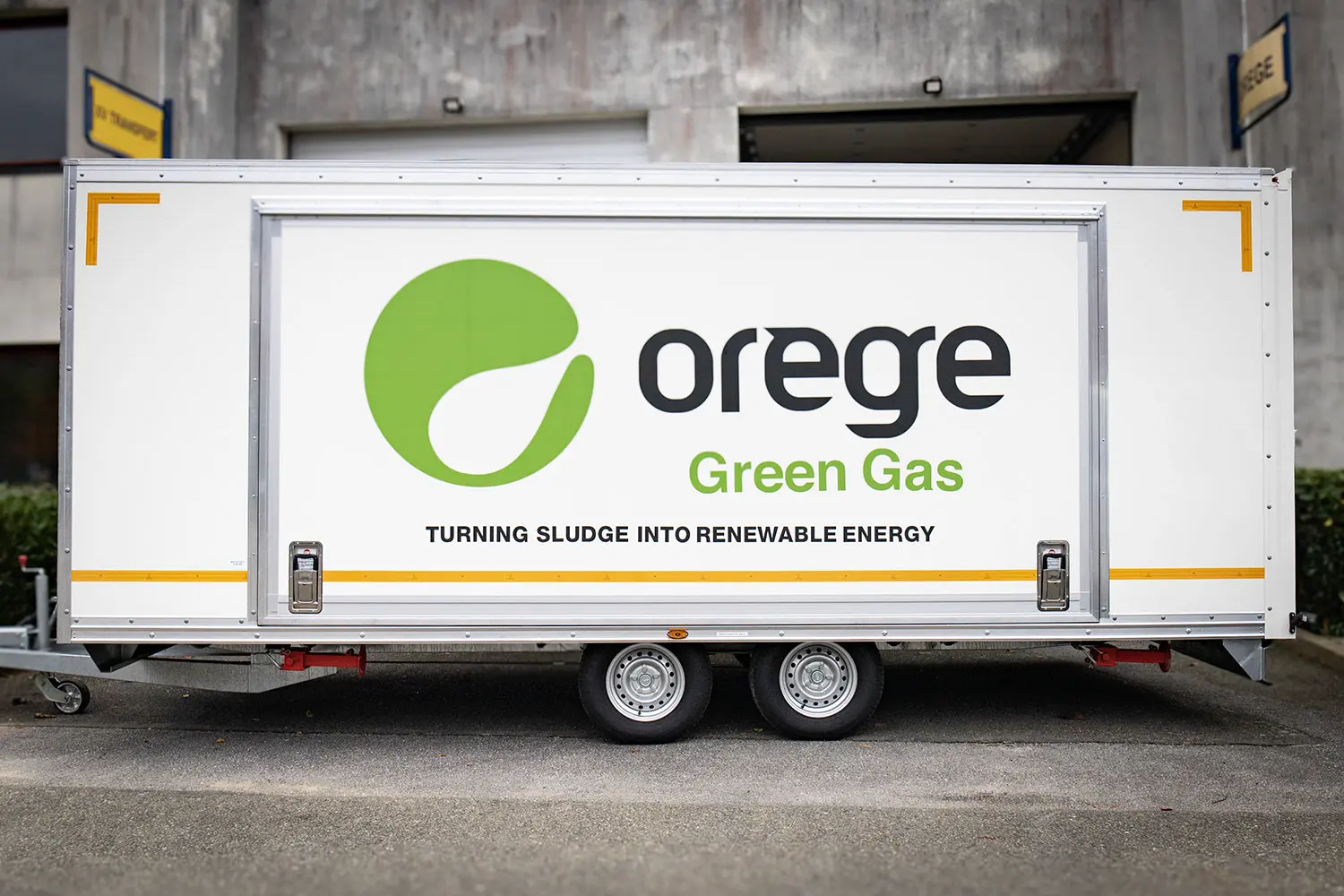
Notre flotte

Glossaire

Activated Sludge

A biological wastewater treatment process where microorganisms consume organic pollutants in aerated tanks. The microbes form flocs that can settle in a secondary clarifier, allowing treated water to separate from biological solids. This process is widely used in municipal wastewater treatment plants.

Aeration

The process of introducing air or oxygen into wastewater to support biological treatment. Oxygen allows aerobic microorganisms to break down organic matter and nutrients. Aeration is typically provided using diffusers or mechanical aerators.

Anaerobic Digestion

A biological process in which microorganisms break down organic sludge in the absence of oxygen. The process stabilizes sludge, reduces solids volume, and produces biogas composed mainly of methane and carbon dioxide. This gas can often be captured and used for energy generation.

Anaerobic Tank

A treatment tank where biological processes occur in the absence of oxygen. Anaerobic conditions support microorganisms that break down organic matter differently from aerobic systems. These tanks are often used in digestion or nutrient removal processes.

Anoxic Tank

A reactor where microorganisms convert nitrate to nitrogen gas without dissolved oxygen present. Anoxic zones are commonly used in biological nutrient removal systems. They enable denitrification to occur.

Belt Filter Press

A mechanical sludge dewatering device that compresses sludge between two moving belts. Pressure and gravity remove water from the sludge, producing a dewatered sludge cake. Belt presses are commonly used in municipal and industrial wastewater treatment plants.

Biosolids

Stabilized sewage sludge that has been treated to reduce pathogens and odors. After treatment, biosolids can be beneficially reused, often as fertilizers or soil conditioners. Strict regulations govern their treatment and land application.

BOD (Biochemical Oxygen Demand)

A measure of the amount of dissolved oxygen required by microorganisms to break down organic matter in water over a specified period, usually five days. It is a key indicator of organic pollution in wastewater. High BOD levels indicate high concentrations of biodegradable material.

Cake Solids

The percentage of dry solids contained in dewatered sludge cake. Higher cake solids indicate more efficient dewatering. This parameter directly affects transport and disposal costs.

Centrifuge

A rotating machine that separates solids from liquids using centrifugal force. In wastewater treatment, centrifuges are used for sludge thickening and dewatering. High rotational speeds allow efficient separation even with fine particles.

Clarifier

A large settling tank designed to remove suspended solids from wastewater by gravity. Clarifiers are used in both primary and secondary treatment stages. The settled solids are collected as sludge while clarified water flows to the next treatment step.

Coagulation

A chemical treatment process where coagulants such as ferric chloride or alum neutralize electrical charges on particles. This destabilization allows particles to come together and form larger aggregates. Coagulation is often followed by flocculation.

COD (Chemical Oxygen Demand)

A measure of the total amount of oxygen required to chemically oxidize organic and inorganic compounds in water. COD provides a faster estimate of pollution levels than BOD because it uses chemical reactions instead of biological processes. It is commonly used to monitor industrial wastewater.

Denitrification

A biological process where nitrate is converted into nitrogen gas under anoxic conditions. This gas is released harmlessly into the atmosphere. Denitrification helps remove excess nitrogen from wastewater.

Dewatered Sludge

Sludge that has undergone mechanical processes to remove a large portion of its water content. The resulting material is easier to transport and dispose of. Dewatered sludge is commonly handled as sludge cake.

Dewatering

The removal of water from sludge to reduce its volume and weight. Mechanical equipment such as centrifuges, screw presses, and filter presses are commonly used. Dewatering lowers transportation and disposal costs.

Dissolved Air Flotation (DAF)

A treatment process where fine air bubbles attach to suspended solids, causing them to float to the surface. The floating sludge layer is then removed by skimming. DAF systems are widely used in industrial wastewater treatment and sludge thickening.

Dry Solids (DS)

The fraction of sludge that remains after all water has been removed. It represents the actual mass of solids present in the sludge. Dry solids content is a key parameter for sludge treatment and disposal calculations.

Effluent

Treated wastewater that exits a treatment plant or specific treatment process. Effluent must meet environmental discharge standards before being released to surface waters or reused. Its quality is monitored through parameters such as BOD, TSS, and nutrients.

Filtrate

The liquid that passes through a filter during sludge dewatering processes. Filtrate often contains fine particles and dissolved substances. It is typically returned to the treatment plant for further treatment.

Floc

A cluster of particles formed when suspended solids aggregate during coagulation and flocculation. Flocs are larger and heavier than individual particles, allowing them to settle or float for removal. Their formation is critical for effective clarification.

Flocculation

A gentle mixing process that encourages destabilized particles to collide and stick together. These larger aggregates, known as flocs, settle or float more easily during treatment. Flocculation improves solid-liquid separation efficiency.

Gravity Thickening

A sludge concentration process where solids settle under gravity in a thickening tank. As solids accumulate at the bottom, the sludge becomes more concentrated. This process reduces the volume of sludge before further treatment.

Grit Removal

A process that removes sand, gravel, and other heavy inorganic particles from wastewater. Grit chambers or vortex separators are commonly used. Removing grit prevents abrasion and sediment buildup in equipment.

Hydraulic Retention Time (HRT)

The average time that wastewater remains in a treatment tank or reactor. HRT influences treatment efficiency by determining how long biological or chemical reactions can occur. It is calculated based on tank volume and flow rate.

Membrane Bioreactor (MBR)

An advanced treatment system combining biological treatment with membrane filtration. The membranes retain suspended solids while allowing treated water to pass through. MBR systems produce very high-quality effluent.

Mixed Liquor Suspended Solids (MLSS)

The concentration of suspended solids in the aeration basin of an activated sludge system. It includes microorganisms, organic matter, and inert particles. MLSS levels are monitored to maintain stable biological treatment performance.

Nitrification

A biological process where ammonia is oxidized into nitrite and nitrate by specialized bacteria. This process occurs under aerobic conditions in wastewater treatment systems. It is an important step in nitrogen removal.

Nutrient Removal

Treatment processes designed to remove nitrogen and phosphorus from wastewater. Excess nutrients can cause eutrophication in receiving waters. Biological and chemical methods are commonly used for nutrient removal.

Organic Loading

The amount of organic matter entering a treatment process over time. It is usually expressed in terms of BOD or COD per day. Proper control of organic loading is important for maintaining process stability.

Pathogen Reduction

Treatment processes designed to reduce disease-causing microorganisms in sludge. Methods include digestion, composting, heat treatment, and lime stabilization. Pathogen reduction is required before beneficial reuse of biosolids.

Permeate

The treated liquid that passes through a membrane in filtration systems such as membrane bioreactors. Permeate is usually very low in suspended solids. It may be discharged or reused depending on treatment goals.

Polymer

A chemical additive used to enhance sludge thickening and dewatering. Polymers help bind fine particles together, forming stronger flocs that release water more easily. They are commonly used in centrifuges, filter presses, and DAF systems.

Polymer Demand

The amount of polymer required to effectively condition sludge for thickening or dewatering. Polymer demand depends on sludge characteristics and solids concentration. Optimizing polymer dosage improves performance and reduces chemical costs.

Primary Sludge

Sludge that settles during the primary clarification stage of wastewater treatment. It mainly consists of settleable organic and inorganic solids removed from raw wastewater. Primary sludge is typically thickened and digested before disposal.

Return Activated Sludge (RAS)

Settled sludge from the secondary clarifier that is returned to the aeration tank. Recycling RAS maintains the necessary concentration of microorganisms for biological treatment. Proper RAS control is essential for stable process performance.

Screening

A preliminary treatment step where large debris is removed from incoming wastewater using mechanical screens. This protects downstream equipment from damage or clogging. Screenings are collected and disposed of separately.

Secondary Sludge

Sludge composed mainly of microorganisms produced during biological treatment processes. It is often referred to as waste activated sludge. This sludge requires further treatment such as thickening and dewatering.

Sludge Age

Another term for solids retention time in biological treatment systems. It represents how long microorganisms remain active in the process. Controlling sludge age helps maintain a balanced microbial population.

Sludge Cake

The solid material produced after mechanical sludge dewatering. It contains significantly less water than untreated sludge. Cake solids content is an important indicator of dewatering efficiency.

Sludge Digestion

A biological process that stabilizes sludge by breaking down organic material. Digestion reduces odors, pathogens, and sludge volume. It may occur under aerobic or anaerobic conditions.

Sludge Thickening

A process that concentrates sludge by removing part of the water content. Thickening increases solids concentration before digestion or dewatering. Common methods include gravity thickening, flotation thickening, and mechanical thickening.

Sludge Volume Index (SVI)

A measure of how well activated sludge settles in a clarifier. It represents the volume occupied by sludge after settling for 30 minutes. SVI helps operators evaluate sludge settling characteristics.

Solids Retention Time (SRT)

The average time that microorganisms remain in a biological treatment system. SRT influences microbial population and treatment efficiency. It is a critical parameter for activated sludge process control.

Thickened Sludge

Sludge that has undergone a thickening process to increase its solids concentration. Thickening significantly reduces sludge volume. This makes downstream treatment and transport more efficient.

Thickener

Equipment or a tank used to concentrate sludge by removing excess water. Thickeners reduce sludge volume before digestion or dewatering. Types include gravity thickeners, drum thickeners, and flotation thickeners.

Total Suspended Solids (TSS)

The concentration of solid particles suspended in water that can be captured by filtration. TSS is a key water quality parameter used to evaluate treatment performance. High TSS levels can impact receiving water bodies.

Volatile Solids (VS)

The portion of sludge solids that represent organic matter and can be burned off at high temperatures. VS is commonly used to estimate the biodegradable fraction of sludge. Reductions in VS indicate successful sludge stabilization.

Waste Activated Sludge (WAS)

Excess microbial biomass removed from the activated sludge process. Removing WAS prevents excessive accumulation of solids in the system. It is typically sent for thickening and further sludge treatment.

Wastewater Treatment Plant (WWTP)

A facility designed to remove contaminants from sewage and industrial wastewater. Treatment processes may include physical, chemical, and biological methods. The goal is to protect public health and the environment.